There’s something magical about camping in Glacier National Park. With its stunning landscapes towering mountains and pristine lakes, it’s a paradise for outdoor lovers like me. Whether you’re a seasoned camper or just starting out, this park offers a unique experience that connects you to nature in a way few places can.
Overview of Glacier National Park
Glacier National Park covers over 1 million acres in Montana, featuring stunning mountains, deep valleys, and over 700 miles of hiking trails. This park is a hiker’s paradise, showcasing over 26 glacial lakes that shimmer under the sun. I’ve explored many national parks, but Glacier’s dramatic scenery stands out as truly spectacular.
The park boasts diverse ecosystems, ranging from dense forests to alpine meadows. Wildlife like grizzly bears, moose, and mountain goats roam freely, offering a chance for unforgettable wildlife encounters. Its rich history showcases Native American heritage as well as early explorers, making it not just a camping destination but a journey through time.
Glacier experiences significant seasonal changes, providing different yet equally enchanting adventures throughout the year. Summer’s warm days invite me to hike and explore, while fall transforms the landscape with vibrant colors. Winter blankets the park in snow, creating a mesmerizing backdrop for snowshoeing or cross-country skiing. Spring awakens the flora and fauna, adding life to the trails.
Camping within the park allows me to immerse myself in nature. With campgrounds situated in scenic locations, I can wake up surrounded by towering peaks or serene lakes. Glacier features both developed campgrounds and backcountry sites for those seeking solitude. Each site offers unique perspectives of the park’s beauty, enhancing the overall camping experience.
Whether I’m angling in one of the park’s pristine lakes or traversing a rugged trail, Glacier National Park consistently delivers extraordinary outdoor adventures that fuel my passion for the wild.
Planning Your Camping Trip
When planning a camping trip in Glacier National Park, preparation makes all the difference. Timing and reservations require careful thought to ensure a smooth experience in this breathtaking wilderness.
Best Times to Visit
I find that the best times to visit Glacier are late spring and early fall. June and September offer mild temperatures, fewer crowds, and stunning scenery. Summer can be busier, but it features vibrant wildflowers and open hiking trails. Winter’s snow-covered landscapes also provide unique opportunities for snowshoeing, though campgrounds close during this season. Opt for early weekdays to enjoy a quieter setting, especially in peak months.



Campsite Reservations
I highly recommend making campsite reservations ahead of time. Many campgrounds in Glacier operate on a first-come, first-served basis, while others allow reservations several months in advance. Sites typically fill up quickly, especially during summer weekends. Checking the National Park Service’s website helps to identify which campgrounds are open for reservations and their specific amenities. I always keep my gear ready for alternative spots in case my first choice is full, ensuring I still connect with the great outdoors.
Essential Gear for Camping
Camping in Glacier National Park calls for thoughtful preparation. Packing the right gear makes all the difference between an enjoyable trip and a challenging one. Here’s what I consider essential for a successful camping experience.
Tent and Sleeping Equipment
Selecting a reliable tent sets the foundation for a comfortable stay. I prefer a three-season tent, as it handles varying weather conditions effectively. Ensure it has a good rainfly and a tub-style floor for protection against moisture. I also pack a sleeping bag rated for the expected temperature range. A sleeping pad adds insulation and cushion, enhancing comfort when I’m resting after a day’s adventures. Don’t forget pillows or stuff sacks filled with clothes; they work wonders for a good night’s sleep under the stars.
Cooking and Safety Gear
Bringing the right cooking gear elevates meals in the wild. A compact camp stove with fuel canister works wonders for quick meals or boiling water. I carry lightweight cookware, including a pot and pan, and don’t skimp on utensils. Remember, lightweight, collapsible coolers can keep perishables fresh.
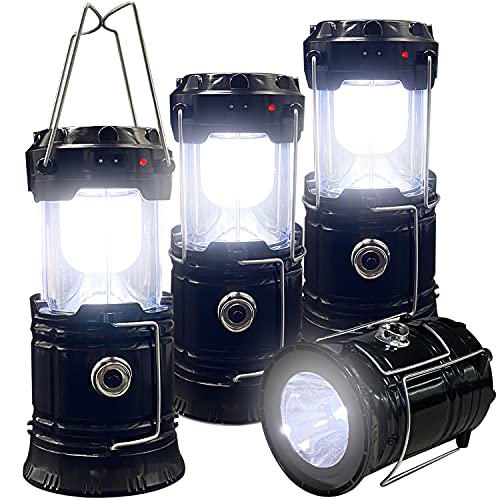
Safety gear is non-negotiable. I always pack a first-aid kit, equipped with essentials like adhesive bandages, antiseptic wipes, and pain relievers. Additionally, I include a multi-tool or knife, which serves countless purposes from food prepping to gear repairs. A reliable flashlight or headlamp ensures safety at night, along with extra batteries. As I explore the park, a map and compass remain vital, especially since GPS technology can falter in remote areas.
These essentials help create a comforting and safe environment, allowing for deeper enjoyment of Glacier’s breathtaking beauty.
Campsites in Glacier National Park
Exploring Glacier National Park through camping brings me closer to nature and the stunning landscapes all around. The park offers various campsites that cater to different experiences, whether I’m looking for proximity to trails or a more remote setting.
Popular Campgrounds
I often recommend the following popular campgrounds, each enhancing the Glacier experience.
- Apgar Campground: Situated near the park’s entrance and Lake McDonald, it provides easy access to water activities and hiking trails. The forested sites offer a cozy atmosphere along with amenities like restrooms and showers.
- Fish Creek Campground: Nestled along the shores of Lake McDonald, this campground is perfect for fishing and swimming. Its close proximity to the historic Going-to-the-Sun Road makes it a convenient base for all-day excursions.
- Many Glacier Campground: Known for its breathtaking views and abundant wildlife, this campground is a hiker’s dream. It serves as a gateway to trails leading to stunning locations like Grinnell Glacier and Swiftcurrent Pass.
- St. Mary Campground: Located near the eastern entrance, this campground offers access to the historic St. Mary Lodge and the beautiful St. Mary Lake. It’s an excellent spot for star gazing after a day of adventure.
Backcountry Camping Options
For those willing to venture further into the wild, Glacier’s backcountry camping options provide a richer experience. I enjoy these spots for their solitude and natural beauty.
- Twenty-Five Mile Campground: This site requires a hike, but the stunning views and peace make it worth the effort. It’s ideal for travelers looking to escape the crowds and immerse in the wilderness.
- Kintla Lake Campground: A remote campsite near the northwestern region of the park, Kintla offers incredible access to the rugged landscape of the North Fork area. Solitude and unspoiled nature define this location.
- Grizzly Gulch: This site is tucked away in a more secluded area, providing an authentic backcountry experience. Bring a map and compass, as navigation becomes crucial once you stray from established trails.
Both campgrounds and backcountry sites in Glacier National Park present unique opportunities to connect with nature, and each trip reveals a different aspect of the park’s magnificent beauty.
Activities to Enjoy While Camping
Camping in Glacier National Park opens the door to a myriad of activities that let you immerse yourself in nature. From breathtaking hikes to exhilarating wildlife encounters, every moment spent here makes for an unforgettable experience.
Hiking Trails
Hiking trails in Glacier National Park showcase the park’s diverse landscapes, ranging from lush forests to stunning alpine vistas. I often lace up my hiking boots and tackle the over 700 miles of trails available. Trailheads like the Highline Trail and Grinnell Glacier Trail offer trails with varying difficulty levels for every hiker’s capability. The Highline Trail, a favorite of mine, stretches for 11.6 miles with jaw-dropping views and thrilling sections along the cliffs. For those seeking shorter hikes, the Trail of the Cedars provides an accessible path through towering trees and a beautiful view of Avalanche Creek. Whichever trail I choose, each hike reveals new aspects of Glacier’s beauty and enhances my connection to the pristine wilderness.
Wildlife Viewing
Wildlife viewing in Glacier National Park is one of my favorite activities while camping. The park’s diverse ecosystems host numerous species, including grizzly bears, moose, and mountain goats. Early morning or late evening often yields the best opportunities for spotting these magnificent animals. I always keep my binoculars and camera ready for encounters with wildlife, ensuring a safe distance while letting my curiosity drive my observations. The Many Glacier area is particularly rich in wildlife sightings, making it a top spot for both photographs and memories. Whether I’m watching bears foraging or elk grazing against a stunning backdrop, each wildlife encounter deepens my appreciation for this incredible environment.
Engaging in these activities not only enhances my camping experience but also fosters a lasting bond with Glacier National Park’s unforgettable landscapes and wildlife.
Tips for a Successful Camping Experience
Camping in Glacier National Park requires preparation and knowledge. I’ve learned valuable lessons from my adventures, and these tips can enhance your experience in the wild.
Safety Precautions
Safety ranks high on my list when camping. Always inform someone about your travel plans, including your route and expected return time. Carry a first-aid kit and know the basics of wilderness medicine. Check weather forecasts to prepare for sudden changes, as conditions can shift rapidly in the mountains. Bear activity is common, so store food securely using bear canisters or hanging bags. Stay aware of your surroundings, and keep a safe distance from wildlife. Packing a whistle can be useful for signaling help if needed. Equip yourself with a reliable GPS or map and compass to avoid getting lost on the trails.
Leave No Trace Principles
Practicing Leave No Trace principles maintains the park’s pristine beauty for future visitors. I follow the seven core principles:
- Plan Ahead and Prepare – Research the area and properly pack gear tailored to your trip’s needs.
- Travel and Camp on Durable Surfaces – Stick to existing trails and campsites to minimize impact on vegetation.
- Dispose of Waste Properly – Pack out all trash, leftover food, and hygiene products. In the backcountry, use proper waste disposal methods.
- Leave What You Find – Observe natural and cultural features without disturbing them. Take only photos, leave only footprints.
- Minimize Campfire Impact – Use a portable stove for cooking. If fires are allowed, keep them small and in established fire rings.
- Respect Wildlife – Observe animals from a distance, never feed them, and keep food secured.
- Be Considerate of Other Visitors – Maintain a low noise level and give fellow campers space to enjoy the wilderness.
By following these tips, I ensure that my camping experiences in Glacier National Park remain enjoyable and environmentally responsible.
Conclusion
Camping in Glacier National Park is truly a magical experience that stays with you long after your trip. There’s something special about waking up to stunning views and the sounds of nature all around. Whether you’re hiking the trails or simply soaking in the scenery, every moment is an opportunity to connect with the great outdoors.
I hope this guide helps you plan your adventure and inspires you to explore the beauty of Glacier. Remember to pack wisely and embrace the spirit of adventure. With the right preparation, you’ll create memories that last a lifetime. So grab your gear and get ready for an unforgettable camping experience in one of America’s most breathtaking national parks!