Summer camping can be a blast, but staying cool in a tent can be a real challenge. I’ve spent many nights tossing and turning in sweltering heat, wishing I had a few tricks up my sleeve to beat the heat. If you’re like me and love the great outdoors but dread those hot summer nights, you’re in the right place.
Understanding The Challenges
Camping in summer poses unique challenges for staying cool in a tent. I’ve faced sweltering nights where sleep felt impossible, and it’s crucial to understand the issues at hand to combat them effectively.
Heat Retention in Tents
Tents can trap heat like a greenhouse, especially when direct sunlight hits. Fabrics often absorb warmth, causing the interior to feel much hotter than the outside temperature. I’ve noticed that traditional tents lack insulation, leading to rising temperatures during the day. The choice of color plays a role too; darker tents tend to absorb more heat. Using lighter-colored tents or investing in reflective tarps can mitigate this issue effectively.
Humidity Effects
Humidity compounds the heat problem, making a warm night feel oppressive. High humidity levels prevent the body from cooling down through sweat evaporation. I often find myself sweating profusely in a humid tent, which makes resting difficult. Proper ventilation becomes vital during these nights; it can help circulate air and reduce moisture inside. Employing solutions like mesh windows or vents can significantly improve airflow, enhancing comfort.
Choosing The Right Tent
Selecting the right tent plays a crucial role in staying cool during summer camping. Different tents offer various benefits that can significantly enhance your outdoor experience.
Tent Materials
Tent materials greatly influence temperature control. Lightweight fabrics, such as polyester or nylon, reflect sunlight better than heavier materials. These materials help reduce heat absorption, keeping the inside cooler. Look for tents with a high UV resistance rating to ensure durability while offering protection from the sun’s rays. Some tents incorporate “breathable” fabrics that allow moisture to escape, which also aids in regulating temperature.
Ventilation Features
Proper ventilation is essential for maintaining comfort in a tent. Features like mesh windows and roof vents allow airflow while keeping bugs out. Tents with multiple openings can create cross-ventilation, enhancing air circulation and preventing heat buildup inside. I often choose tents that include adjustable vents; that way, I can manage airflow based on the temperature and wind conditions. It’s important to set up the tent in a way that maximizes exposure to cool breezes while minimizing direct sunlight during peak hours.
Effective Cooling Techniques
Staying cool inside a tent during summer can make all the difference between an enjoyable experience and a sleepless night. Here are some strategies I’ve found really effective.


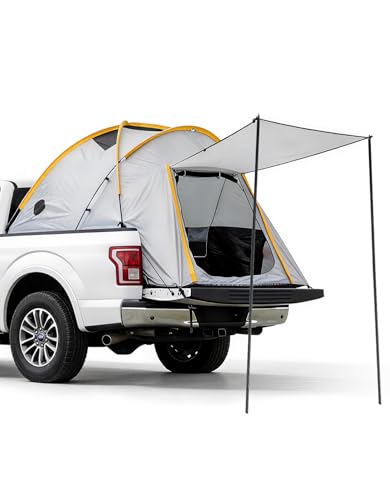


Shade Solutions
- Choose the Right Location: I always look for shaded spots under trees or large rock formations to set up my tent. Natural shade significantly lowers the temperature inside the tent.
- Use a Reflective Tarp: I often drape a reflective tarp above my tent. This serves as an extra layer of insulation and reflects sunlight, helping keep the interior cooler.
- Opt for Light Colors: Whenever possible, I select lighter-colored tents. They reflect more sunlight compared to darker hues, which tend to absorb heat.
Airflow Management
- Open Ventilation Options: I make it a point to open all doors and windows to promote airflow. Using mesh screens keeps bugs out while letting cool breezes in.
- Utilize Cross-Ventilation: When setting up, I position my tent to take advantage of prevailing winds. Aligning doors and windows appropriately allows for effective cross-ventilation.
- Secure Additional Ventilation Gear: I often bring along ventilated tent extensions or additional mesh panels. This boosts airflow further while still protecting against insects.
Cooling Gadgets
- Battery-Powered Fans: I rarely camp without my portable battery-powered fan, which creates a nice breeze inside the tent when temperatures rise.
- Cooling Towels: I keep cooling towels handy. These can be dampened and placed around my neck or over my forehead for instant relief.
- Ice Packs or Frozen Water Bottles: I sometimes fill water bottles and freeze them. Placing them inside my tent creates a cool zone for a few hours.
Utilizing these effective cooling techniques during my summer camping trips has vastly improved my comfort levels while enjoying the great outdoors.
Preparing For Your Trip
Preparing for a summer camping trip involves careful planning to ensure a cool and comfortable experience. Every detail matters, from choosing the right location to setting up your tent strategically.
Location Selection
Choosing the right spot to pitch my tent makes a significant difference in comfort. I look for shaded areas under trees, as they provide natural insulation from direct sunlight. Elevation also plays a key role; higher ground usually has cooler air. I avoid low-lying areas that can trap heat. Additionally, proximity to water sources keeps the air cooler and can be convenient for washing. Lastly, I scout for prevailing winds to optimize airflow around my tent, which aids in cooling.
Setting Up Your Tent
Setting up the tent properly enhances breathability and comfort. I position my tent so that its opening faces the breeze, encouraging airflow through it. Utilizing reflective tarps over the tent reduces heat absorption, making a noticeable difference in temperature. I always ensure to open all windows and vents for maximized ventilation, helping to circulate air inside. Securing the tent away from direct sun during peak hours prevents temperature spikes. Lastly, I consider adding mesh panels or using rainfly vents to maintain air circulation, even during rain.
Staying Cool While Inside
Keeping cool inside a tent during summer can be tricky. I’ve found a few strategies that make warm nights much more bearable.
Hydration Tips
Staying hydrated is essential when the heat kicks in. I always carry at least 2 liters of water per day, but when it’s scorching outside, I drink even more. Electrolyte drinks help replenish minerals lost through sweat, especially after a long day of hiking or fishing. I also freeze a couple of bottles the night before, then place them inside the tent. As they melt, the cool air keeps the space more comfortable.
Clothing Choices
The right clothing can make a significant difference in staying cool. I opt for lightweight, breathable fabrics that wick moisture away from my skin. Light-colored clothes reflect sunlight better compared to darker options, so I lean toward whites and pastels. Loose-fitting items allow airflow, preventing that sticky feeling when it’s humid. I also bring a wide-brimmed hat; it shades my face and neck, helping to keep my body temperature down throughout the day.
Conclusion
Staying cool in a tent during those hot summer nights doesn’t have to be a struggle. With a bit of planning and the right gear you can create a comfortable oasis even when temperatures soar. I’ve found that simple adjustments like choosing the right tent and maximizing airflow make a world of difference.
Don’t forget to stay hydrated and dress appropriately to keep your body cool. With these tips in your camping toolkit you can enjoy your outdoor adventure without the discomfort of heat. So grab your gear and hit the trails knowing you’re prepared for whatever summer throws your way. Happy camping!