Camping is one of my favorite ways to escape the hustle and bustle of everyday life, but I know how quickly costs can add up. Whether it’s gas for the drive, food for the trip, or gear you think you need, sticking to a budget can feel daunting. But it doesn’t have to be!
With a little creativity and some savvy planning, you can enjoy the great outdoors without breaking the bank. I’ve discovered plenty of tips and tricks that make camping affordable and fun. Join me as I share my favorite ways to camp on a tight budget, so you can make the most of your adventure without the financial stress.
Understanding Tight Budget Camping
Camping on a tight budget means finding ways to enjoy the outdoors without spending a fortune. I focus on essentials and prioritize what truly matters. It’s possible to have a fantastic experience with minimal financial strain.
- Plan Ahead: I always plan my trips in advance. Research free or low-cost camping sites. Many national and state parks offer campgrounds at reasonable rates or even for free.
- Utilize Resources: I use apps and websites to find the best deals on gear, campsites, and outdoor activities. Websites like ReserveAmerica and AllTrails help locate affordable spots.
- Gather Gear Wisely: Investing in quality gear that lasts is crucial. I buy second-hand equipment or borrow items from friends. Local outdoor shops sometimes have rental options at affordable prices.
- Cook Simple Meals: I prepare easy, cost-effective meals that require minimal ingredients. Canned foods, pasta, and rice offer filling options without breaking the bank. Bringing a portable stove helps save money on takeout.
- Carpool for Gas: To cut fuel costs, I coordinate with friends or family. Sharing the ride reduces expenses and adds to the camaraderie of the trip.
- Explore Free Activities: I take advantage of trails and rivers around camp. Hiking, fishing, or swimming in lakes is free and provides enjoyable experiences.
- Choose Off-Peak Times: Visiting during weekdays or the shoulder season often means lower rates on campsites and fewer crowds. This enhances the overall experience while saving money.
- Pack Smart: I make a checklist before packing. Bringing only the necessities prevents unnecessary expenses at camp stores. Staying organized reduces the temptation to buy extra gear during the trip.
Camping on a budget allows for memorable adventures without financial pressure. Embracing creativity and resourcefulness leads to rewarding outdoor experiences.
Essential Gear for Budget Camping
Camping on a budget doesn’t mean cutting corners on quality gear. With the right essentials, I head out into the wilderness prepared for an adventure without overspending.
Affordable Tent Options
I always look for reliable and budget-friendly tents that don’t compromise on comfort. Consider options like:
- Backpacking tents: Lightweight tents designed for portability, often costing between $60 and $150.
- Family tents: Larger tents perfect for group trips, typically priced from $80 to $200, depending on size and features.
- Used tents: Checking online marketplaces or local outdoor stores’ clearance sections can land me a great deal on second-hand tents.
Selecting a durable tent that can withstand weather elements is essential. I prioritize features like water resistance and ventilation for added comfort.
Budget-Friendly Cooking Equipment
Cooking outdoors can be done economically with a few affordable tools. Here’s what I recommend:
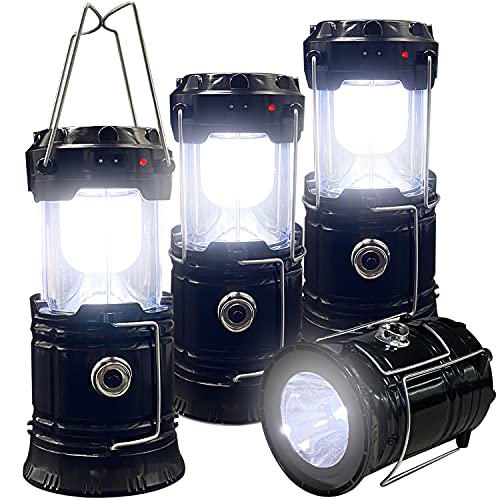


- Portable camping stove: Compact stoves generally range from $30 to $100, and they allow me to cook meals efficiently.
- Mess kit: A lightweight mess kit with pots, utensils, and dishes can cost around $20-$40, perfect for quick clean-ups.
- Reusable containers: Investing in reusable food containers saves money and reduces waste, typically costing around $10-$30.
Bringing multi-functional tools and lightweight cookware further maximizes my budget while ensuring I enjoy delicious meals in nature.
Choosing the Right Campsite
Finding the perfect campsite can enhance budget camping experiences. I often scout for sites that provide natural beauty without hefty fees, allowing me to immerse myself in the outdoors without financial stress.
Free and Low-Cost Campsites
I frequently turn to free or low-cost campsites. National forests, Bureau of Land Management (BLM) lands, and state parks often offer free dispersed camping options. These areas don’t require reservations, making it easier to find a spot. Tools like Campendium and the Free Campsite app help pinpoint excellent sites. Websites such as Recreation.gov list affordable campgrounds, which often come with amenities like fire pits and picnic tables for a small fee. Embracing these options means I enjoy nature without the burden of campsite costs.
Tips for Finding Discounts
I’ve learned several strategies for uncovering camping discounts. Joining camping clubs or organizations often yields valuable information about discounted sites and special rates. Websites like Hipcamp and Airbnb sometimes feature unique camping options at lower prices. Timing matters as well; I try to book during shoulder seasons when demand drops, leading to better deals. Additionally, I keep an eye out for promotional offers from outdoor retailers that can save on gear or campsite fees. These tactics combine to stretch my camping budget further, allowing for more adventures in the great outdoors.
Saving Money on Food
Food expenses can add up quickly while camping, but I’ve got some strategies to keep those costs down without sacrificing taste or nutrition.
Meal Planning on a Budget
Planning meals ahead of time is essential. I create a simple menu before the trip, focusing on easy-to-cook, versatile ingredients. For example, I often pack rice, beans, and pasta. These staples can form the base for multiple meals. I buy in bulk when possible. Items like oatmeal, nuts, and dried fruits serve as great snacks as well. I also check for sales or discounts at local grocery stores. Bringing meals that require minimal preparation helps too. Think pre-chopped veggies or marinated meat for grilling. All these steps minimize waste and maximize savings.
Cooking Tips for Campers
Cooking while camping doesn’t have to be complex. I often use a portable camping stove, which saves money on campfire wood. I like to prep meals at home, such as making foil packets with veggies and protein. These packets cook evenly and eliminate cleanup hassle. I also carry along a cast iron skillet for versatile cooking options. If you’re cautious with your fuel use, a dual-fuel stove can help reduce costs. Always pack reusable containers for leftovers. Leftovers are not only budget-friendly, but they also cut down on food waste. With a little creativity, satisfying and affordable meals are achievable on any trip.
Activities to Enjoy While Camping
Camping offers a wealth of activities that can enhance the experience without draining your wallet. Engaging in outdoor pursuits allows you to connect with nature, pass the time, and create lasting memories.
Free Outdoor Activities
- Hiking: I often find the most joy in exploring nearby trails. Hiking provides not just exercise but also stunning views and the thrill of discovery.
- Fishing: I love casting a line into a peaceful lake or river. Fishing can provide a tasty meal and a relaxing way to unwind by the water.
- Birdwatching: I take my binoculars on every trip, capturing glimpses of local wildlife. It’s exciting to spot different species and learn about their habits.
- Stargazing: Nights around the campfire offer clear skies perfect for stargazing. I often bring a stargazing app to identify constellations and planets.
- Nature Walks: Walking through the forest allows me to appreciate flora and fauna. I often collect interesting rocks or leaves as mementos.
- Campfire Games: Playing games like cards or telling stories around the campfire can provide entertainment that costs nothing but time.
Budget-Friendly Entertainment Ideas
- Storytelling: Sharing tales around the campfire is a fun way to bond. I enjoy recounting past adventures or creating fictional stories for entertainment.
- Photography: Capturing beautiful scenery through photography allows me to remember the trip. It requires no extra expenses and can result in stunning keepsakes.
- Nature Crafts: I often collect natural materials to create crafts. Making items like leaf rubbings or rock art becomes a fun and creative outlet.
- Team Sports: Bringing a frisbee or a ball promotes friendly competition. Playing a game of catch or throwing a frisbee can be enjoyable and active.
- DIY Trail Mix: I often make my own trail mix before a trip, using affordable ingredients. Adjusting the mix to fit my tastes keeps it interesting during hikes.
- Camp Cooking Challenges: I challenge friends to cook meals using limited ingredients. This adds a fun twist and allows us to showcase our culinary skills.
These activities not only enhance the camping experience but also keep expenses low, allowing for a fulfilling outdoor adventure.
Conclusion
Camping on a budget doesn’t mean sacrificing fun or adventure. With a little creativity and planning I’ve found that it’s possible to have amazing experiences without breaking the bank. By focusing on what truly matters and making smart choices about gear and food I’ve been able to enjoy the great outdoors while keeping my finances in check.
Whether it’s scouting for free campsites or whipping up tasty meals with simple ingredients the possibilities are endless. I hope these tips inspire you to embark on your own budget-friendly camping journey. Remember every adventure you take is a chance to create lasting memories without the financial stress. So grab your gear and hit the road—affordable camping awaits!