Camping with a sports team can be one of the most exciting and memorable experiences you’ll ever have. It’s a chance to bond with teammates, build camaraderie, and create lasting memories away from the field. Whether you’re a coach, a player, or a supportive parent, the thrill of pitching tents under the stars and sharing stories around the campfire adds a whole new dimension to team spirit.
Overview of Camping With a Sports Team
Camping with a sports team gives an unforgettable experience that combines fun with teamwork. Through shared activities, players can deepen connections and enhance their overall performance together.
Benefits of Team Camping
- Strengthens Relationships: Camping offers a unique chance for teammates to bond outside of practice and competition. Sharing responsibilities like cooking meals or setting up tents fosters unity and improves communication skills.
- Promotes Team Spirit: Engaging in various outdoor activities, such as hiking or fishing, builds trust and morale among players. The collective challenges faced during camping encourage teamwork, critical for success on the field.
- Encourages Adventure: Outdoor environments stimulate a sense of adventure. Exploring new trails or engaging in games around the campfire creates lasting memories. It also cultivates a spirit of resilience as teammates overcome obstacles together.
- Improves Mental Resilience: Camping removes distractions, allowing players to focus on personal and team goals. Embracing nature’s challenges helps athletes develop mental fortitude, which translates into better performance in competitive settings.
- Enhances Life Skills: Setting up camp requires practical skills like problem-solving and planning. Teammates learn valuable lessons in organization, cooperation, and leadership during these experiences.
Planning Your Camping Trip
- Choose the Right Location: Selecting a site that meets your team’s needs is essential. Consider accessibility, available amenities, and space for both camping and practice sessions.
- Set a Budget: Determine costs for permits, food, and transportation ahead of time. Sticking to a budget keeps the trip manageable while ensuring everyone can participate.
- Create an Itinerary: Plan activities like team bonding games, cooking competitions, and hiking excursions. An organized schedule maximizes fun and ensures everyone stays engaged throughout the trip.
- Organize Gear: List necessary camping equipment like tents, sleeping bags, and cooking supplies. Encourage each team member to contribute to the gear list to promote responsibility and teamwork.
- Prioritize Safety: Review safety measures and establish rules before heading out. Discuss camping etiquette and emergency protocols to ensure a safe and enjoyable experience for everyone involved.
Choosing the Right Campsite
Choosing the right campsite is crucial for a successful camping trip with a sports team. A great location enhances the experience, providing both comfort and adventure.
Factors to Consider
- Proximity to Activities: Select a site close to hiking trails, lakes, or sports fields. This accessibility allows for quick trips to practice or play.
- Capacity: Ensure the campsite accommodates your entire team comfortably. Consider sleeping arrangements, eating areas, and space for activities.
- Amenities: Look for sites with restroom facilities, running water, and fire pits. These conveniences make camping more enjoyable for everyone.
- Safety: Research local wildlife and weather conditions. Choose a site away from potential hazards like steep cliffs or fast-moving water.
- Accessibility: Evaluate the ease of getting to the campsite. A location that balances adventure with convenience keeps everyone engaged and comfortable.
Popular Campsite Options
- National Parks: Parks like Yosemite and Yellowstone offer stunning views and numerous recreational opportunities. They provide campgrounds suited for teams looking to bond in nature.
- State Parks: Smaller and often less crowded, state parks like Custer State Park feature unique landscapes. They’re ideal for teams wanting a quieter experience.
- Private Campgrounds: Facilities like KOA offer various amenities, including game rooms and pools. These campsites cater well to family-friendly environments.
- Backcountry Sites: For teams eager for adventure, backcountry camping allows for more seclusion and the thrill of truly wild spaces. I recommend trail maps and planning for self-sufficiency.
- Sport-Specific Camps: Some campsites cater specifically to sports teams, offering training facilities and fields. These spots enhance the focus on teamwork and competition.
Choosing wisely enhances not just the camping experience but also fosters the spirit of camaraderie essential for a sports team.
Essential Gear and Supplies
Camping with a sports team requires careful planning and the right gear. I’ve found that being prepared enhances the overall experience for everyone involved.
Camping Equipment for Teams
- Tents: Choose spacious, durable tents that can fit multiple players or entire units. Look for tents with weatherproof features for unpredictable conditions.
- Sleeping Bags: Opt for sleeping bags rated for the season. Insulated options keep team members warm during chilly nights.
- Sleeping Pads: Invest in sleeping pads for added comfort and insulation from the ground. They make a significant difference in rest quality.
- Cooking Gear: Portable stoves, cookware, and utensils are essential for group meals. Consider including a camp grill for team barbecues.
- Coolers: A quality cooler keeps perishables fresh and drinks cold. Plan for one large cooler or several smaller ones.
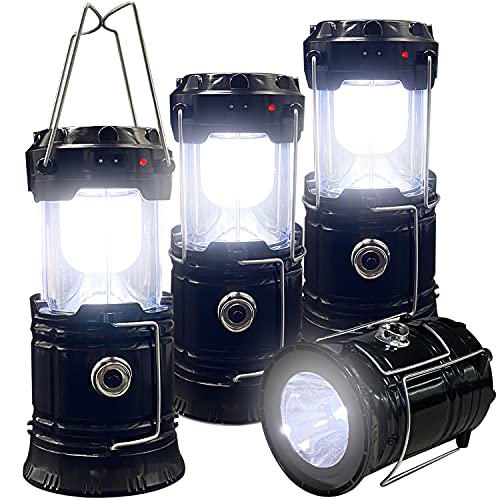
- Lanterns and Flashlights: Bring enough lanterns for communal spaces and individual flashlights for personal use. Rechargeable options simplify battery concerns.
- First Aid Kits: Always pack a comprehensive first aid kit. Include items for common injuries, allergies, and blisters.
Team-Specific Supplies
- Team Flags and Banners: Displaying your team’s colors can boost morale and create a sense of unity. Bring lightweight flags for easy setup.
- Sports Gear: Don’t forget the essential sports equipment such as balls, nets, and training tools. This adds fun to downtime.
- Hydration Packs: Encourage hydration with easy-access hydration packs, especially during physical activities.
- Team Apparel: Recommend bringing matching team shirts or jackets to foster camaraderie. It builds spirit and pride during the trip.
- Games and Activities: Bring board games or outdoor games like frisbee and cornhole for team bonding during leisure time.
- Safety Gear: Include items like whistle signals and reflective vests for visibility during after-dark activities or hiking.
The right gear and supplies can enhance both the camping experience and team dynamics. Keeping these essentials handy ensures everyone enjoys the adventure to the fullest.
Activities and Team Building
Camping with a sports team opens doors to engaging activities that strengthen bonds and build trust. Activities designed for teamwork foster communication and cooperation, making the experience richer for everyone involved.
Engaging Group Activities
- Team Challenges: Organize friendly competitions like scavenger hunts or obstacle courses. These activities promote problem-solving and teamwork while getting everyone active and enjoying the outdoors.
- Campfire Storytelling: Gather around the campfire for storytelling sessions. Encourage teammates to share personal experiences or funny memories. This practice builds camaraderie and helps players connect on a deeper level.
- Group Cooking: Prepare meals as a team. Assign roles like chef, sous chef, and cleanup crew. Cooking together enhances communication skills while sharing delicious meals adds a fun element to the trip.
- Outdoor Games: Bring along sports gear for games like ultimate frisbee, capture the flag, or volleyball. These games integrate physical activity with teamwork, keeping spirits high and energy levels up.
- Nature Hikes: Explore nearby trails together. Hiking not only promotes physical fitness but also strengthens bonds through shared exploration and discovery of nature’s beauty.
Tips for Effective Team Building
- Set Clear Goals: Define what you want to achieve as a team during the camping trip. Goals might include improving communication, fostering trust, or simply having fun together.
- Encourage Participation: Make sure every team member gets involved in activities and decision-making. Inclusion cultivates a sense of belonging and strengthens connections.
- Promote Positivity: Maintain an upbeat atmosphere throughout the trip. Celebrate small achievements, like the completion of a challenging hike, to motivate everyone.
- Reflect as a Group: At the end of each day, gather to reflect on the day’s activities. Discuss what went well and what could improve next time. This encourages open communication and collective growth.
- Utilize Team Feedback: After the trip, gather feedback from team members about their experiences. Use insights to plan future outings, ensuring that everyone’s voice is heard.
Engaging activities paired with effective team-building strategies create unforgettable camping experiences that enhance teamwork and foster lasting friendships.



Safety and Health Considerations
Camping with a sports team brings joy, but prioritizing safety and health matters just as much. I focus on preparation to ensure everyone enjoys the wilderness adventure.
Preparing for Emergencies
Preparing for emergencies ensures that campers can respond quickly and effectively. I recommend forming a clear emergency plan that includes designated meeting points and communication methods. Equip your team with essential safety gear like a first aid kit stocked with injuries from scrapes to more serious issues. Carry a flashlight, whistle, and multipurpose tool for varied situations. Create a list of emergency numbers, including local rangers and hospitals, to keep on hand.
Conduct a quick training session on using the first aid kit and recognizing common outdoor hazards, such as poison ivy, ticks, or wildlife encounters. Encourage teammates to remain calm and collected; establishing a buddy system can be helpful for managing responsibilities during emergencies.
Maintaining Health and Hygiene
Maintaining health and hygiene is vital for a successful camping trip. I emphasize washing hands frequently, especially before meals and after using the restroom. Packing biodegradable soap and a small washcloth can be handy for maintaining cleanliness.
Prepare meals with food safety in mind; keep perishable items stored in a cooler and cook them thoroughly to prevent foodborne illnesses. Consider using reusable water bottles filled with clean drinking water to stay hydrated. Maintain proper waste disposal by keeping trash bags handy, ensuring a clean campsite environment, and respecting wildlife.
Encourage your team to apply sunscreen and insect repellent regularly to avoid sunburns and bug bites. By taking these precautions, everyone stays healthy and enjoys the great outdoors to the fullest.
Conclusion
Camping with a sports team is truly a fantastic way to create lasting memories and strengthen bonds. I’ve seen firsthand how sharing experiences in the great outdoors can enhance teamwork and foster friendships that extend beyond the field.
When you plan your trip with care and focus on fun engaging activities everyone can enjoy, you’ll set the stage for an unforgettable adventure.
So grab your gear gather your teammates and hit the road for a camping experience that not only boosts team spirit but also creates stories you’ll cherish for years to come. Happy camping!